Drive-Up Storage Units vs Indoor Storage Units Explained
Drive-Up Storage Units vs Indoor Storage Units Explained
—
February 27th, 2026
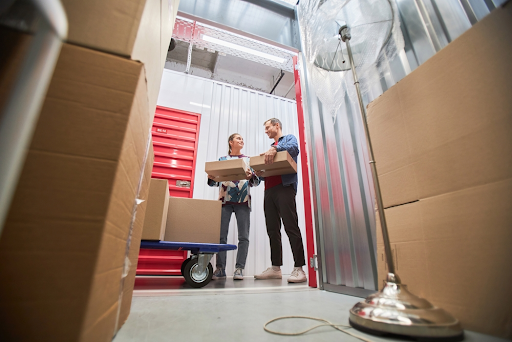
If you are comparing drive up storage units and indoor storage units, the main difference comes down to access and protection. Drive up storage units let you park directly at your door and unload fast. Indoor storage units are located inside a building and offer more protection from weather and temperature swings.
Both options work well. The right choice depends on what you are storing, how often you need access, and how much convenience matters to you.
Let’s break this down clearly.
What are drive up storage units?
Drive up storage units are ground-level units with a roll-up door that opens directly to the outside. You can pull your car, truck, or moving van right up to the unit and unload. They are often compared to a personal garage space.
Drive up access remains one of the most requested features among storage renters because it simplifies loading and unloading heavy items. That convenience is a big reason why many homeowners and small businesses prefer them.
Pros:
- Easy access: You park directly at the unit. There are no hallways, elevators, or carts to manage. This is especially helpful during a move.
- Faster loading and unloading: If you are storing furniture, appliances, or boxes from a moving truck, the process is quicker and less physical.
- Great for frequent visits: If you are accessing your storage regularly for tools, inventory, or equipment, drive up storage units save time.
- 4. Ideal for heavy or bulky items: Couches, refrigerators, filing cabinets, shelving units. You do not want to carry these down indoor corridors if you can avoid it.
At Foothill Mini Storage, our drive up storage units are especially popular with contractors and families in the middle of a move.
Cons
- More exposure: Drive up storage units are not climate controlled. They are secure and enclosed, but they experience outside temperature shifts.
- Not ideal for delicate items: Electronics, artwork, old photographs, and sensitive documents may be better protected inside indoor storage units.
Moisture and temperature fluctuations can damage electronics over time, so that is something you should definitely consider if you are storing valuables long-term.
Who are drive up storage units best for?
Drive up storage units are a strong fit if:
- You are moving homes
- You need short-term storage
- You are storing tools, furniture, or garage items
- You want quick, simple access
- You run a small business and need regular inventory access
If convenience is your top priority, drive up storage units are hard to beat.
What are indoor storage units?
Indoor storage units are located inside a larger building. You enter through a main access door, then walk through interior hallways to your unit.
These units are separated from the outdoors, which offers added protection from weather and environmental exposure.
Pros
- Added protection from weather: Indoor storage units are shielded from rain, wind, and direct sun exposure. That extra layer can make a difference over time.
- More stable conditions: Even if not climate-controlled, indoor storage units are generally less exposed to temperature swings compared to drive up storage units.
- Extra security layers: Many indoor storage layouts include keycode access points and interior monitoring, creating an additional barrier between the outside and your belongings.
At Foothill Mini Storage, our facility includes advanced video surveillance and controlled gate access, along with individual alarms on new units. Indoor storage units benefit from that layered security.
Cons
- Less convenient for heavy items: You may need to use carts or make multiple trips down hallways.
- Slightly longer unloading time: If you are in a rush, the extra steps can slow you down.
- Not ideal for constant in-and-out use: If you need daily access for business tools or inventory, drive up storage units may feel more practical.
Who are indoor storage units best for?
Indoor storage units are a good fit if:
- You are storing items long-term
- You have sentimental or delicate belongings
- You are storing clothing, paperwork, or electronics
- You want added environmental protection
- You do not need frequent access
For example, residents near Highway 50 in Cameron Park often choose our indoor storage units for long-term household overflow.
What about security?
Security matters regardless of the type you choose. At Foothill Mini Storage, both drive up storage units and indoor storage units are located within a gated property with controlled access and video monitoring. New units include individual alarms, which adds another layer of protection.
According to the Self Storage Association, gated access and surveillance systems are considered standard best practices in modern self-storage facilities. We built our property around those standards.
So the decision is not about which is “safer” in general. It is about what level of environmental protection you need.
How to decide what’s right for you
Ask yourself a few direct questions:
- How often will I visit the unit?
- Am I storing anything sensitive to heat or moisture?
- Is convenience more important than environmental buffering?
- Am I in the middle of a move?
If you are moving locally in Cameron Park or El Dorado Hills and need easy access, drive up storage units are usually the simple solution.If you are storing family keepsakes or business records long term, indoor storage units may make more sense.
Some renters even start with drive up storage units during a move and later transition to indoor storage units for long-term storage.
Final thoughts
Drive up storage and indoor storage units both serve a purpose. One focuses on speed and convenience. The other focuses on added protection. The right choice depends on what you are storing and how you plan to use the space.
If you are looking for storage units in Cameron Park, Foothill Mini Storage offers clean, secure options for both styles. Our location on the south side of Highway 50 makes access easy for residents within a 10-mile radius.
Still unsure? Stop by or give us a call. We are happy to walk you through the differences and help you choose the right fit for your situation.
Blog
Categories